Primark signs first multi-year textile-to-textile recycling deal with Circ, from 2029
Primark will start using recycled polyester made from textile waste by recycler Circ in its ranges from 2029, under the retailer's first multi-year agreement with a textile-to-textile recycler.
 Egytex News Desk
Source: Primark
Egytex News Desk
Source: Primark
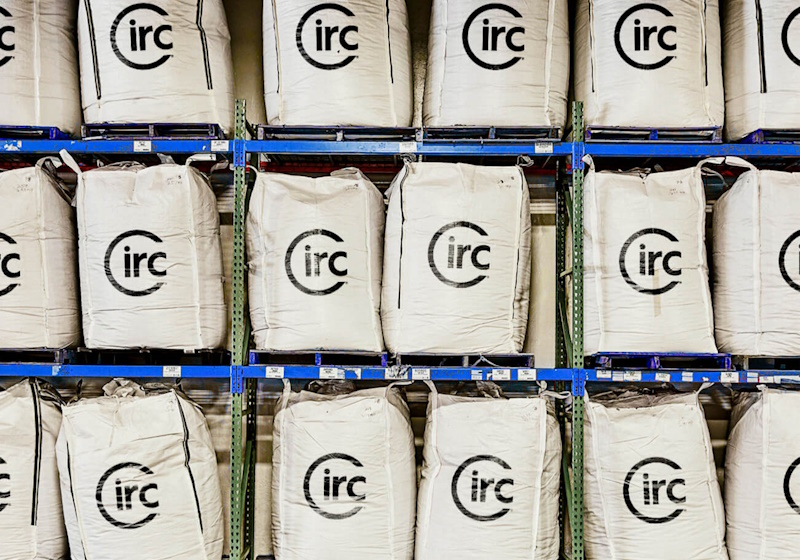
European fashion retailer Primark has signed a multi-year partnership with recycling company Circ to bring recycled polyester made from textile waste into its product ranges, starting in 2029, the two companies announced on 28 September. Just Style reported that it is Primark's first multi-year agreement with a textile-to-textile recycler.
Under the offtake deal, the recycled polyester will be produced at Circ's planned industrial-scale facility. The plant will draw on post-consumer and post-industrial textile waste sourced globally, including textile waste from Europe, according to Primark.
A solution for blended fabrics
Circ's technology is designed to recycle polycotton, the polyester and cotton blends that are common in apparel and home textiles but difficult to recycle with conventional methods. The process recovers both the polyester and the cellulose from the waste, according to Just Style.
Circ chief executive Peter Majeranowski described the agreement as "exactly the kind of long-term commercial commitment needed to move textile-to-textile recycling from innovation to industry standard."
Lynne Walker, director of Primark Cares, said the partnership was an important milestone in the retailer's plans to embed circularity in its business and help scale textile-to-textile recycling.
No volumes or financial terms were disclosed.
What it means for Egyptian exporters
Primark is one of Europe's largest volume buyers of basic apparel, and long-term offtake deals like this one signal that recycled fibre will become a standard part of big retailers' material specifications by the end of the decade. Egyptian garment and home-textile suppliers to European retailers should expect more orders that specify recycled content and should check whether their yarn and fabric partners can supply it. Factories that sort and document their polycotton cutting waste could also find it has value as recycling feedstock as capacity like Circ's comes on line.
Source: Primark, 28 September 2026